

Is Nepal safe to trek after the 2026 flood? This is one of the most common questions from international trekkers planning a Himalayan adventure this autumn.
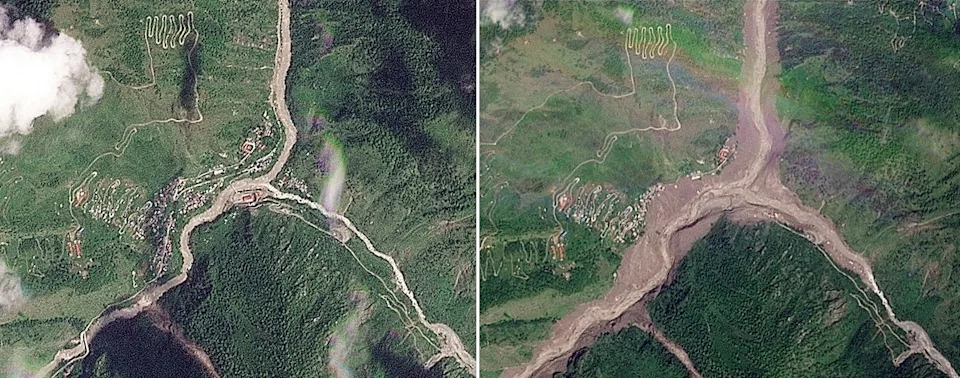
The devastating August 26, 2026 flash flood affected the Langtang, Rasuwa, and Nuwakot regions, causing widespread destruction along the Trishuli and Bhote Koshi river corridors. The disaster damaged roads, bridges, settlements, and other infrastructure. Syabrubesi, the traditional gateway to the Langtang Valley, was among the worst-affected areas.
However, Nepal is a large mountainous country. The flood did not affect all trekking regions equally.
For trekkers planning a trip to Nepal, the key question is therefore not simply “Is Nepal safe?” but rather:
“Is my specific trekking route safe and accessible?”
Is Nepal Safe to Trek After the 2026 Flood?
Yes, many trekking regions in Nepal remain open and accessible after the 2026 flood. However, trekkers should check conditions on each route before starting their trek.
Popular trekking destinations such as the Everest and Annapurna regions lie away from the main flood-affected areas. The flood did not directly impact these regions. Other major trekking destinations also remained unaffected by the August 26 disaster. These include Kanchenjunga, Makalu, Dhaulagiri, Dolpo, Rara, and western Nepal.
In Langtang and Rasuwa, damaged roads and infrastructure currently pose the main challenge. However, the flood did not destroy the entire upper trekking route.
What Happened in Langtang and Rasuwa?
The August 26 disaster caused catastrophic flooding and debris flows along the Trishuli River corridor.
The destruction around Syabrubesi and the Rasuwa road corridor has significantly changed how trekkers can access the Langtang Valley. Reports from the affected area describe extensive destruction of roads, bridges, and settlements.
This has understandably created uncertainty for travellers who have already booked a Langtang Valley Trek, Gosaikunda Trek, or Tamang Heritage Trek.
However, there is an important distinction between the access route and the upper Langtang trekking trail.
Is the Langtang Trek Safe After the Flood?
Current trekking updates indicate that the main Langtang Valley trekking trail above the affected lower corridor remains intact, including the route toward Langtang Village and Kyanjin Gompa.
The major challenge is reaching the trailhead. The flood disrupted the traditional road journey from Kathmandu to Syabrubesi by damaging roads and infrastructure. Current route assessments therefore recommend checking alternative approaches rather than assuming the pre-flood itinerary can operate normally.
The August 26 flood washed away the road near Betrawati in Nuwakot, which we use when driving toward Syabrubesi. However, rapid reconstruction is underway, and workers expect to reopen the road before the autumn trekking season. The flood did not completely close the Langtang Trek, but it seriously disrupted the traditional access route through Syabrubesi.
Can You Trek Langtang in Autumn 2026?
Potentially, yes—but only with updated route planning and current local information.
Trekkers can also reach the Langtang region through an alternative route using connecting trails such as:
Option 1:
Kathmandu → Betrawati → Dhunche → Sanu Bharkhu→ Brabal→ Thulosyabru → Pairo → Lama Hotel → Langtang Valley → Kyanjin Gompa
Option 2:
Kathmandu → Sundarijal → Chisapani → Thadepati → Gosaikunda → Thulosyabru → Pairo → Lama Hotel → Langtang Valley → Kyanjin Gompa
This approach avoids relying entirely on the damaged Syabrubesi access corridor. Current trekking-industry updates identify alternative approaches for Langtang and Gosaikunda while recovery work continues.
However, alternative routes can mean longer trekking days, additional elevation gain, and a different itinerary from the traditional Langtang Valley Trek.
Therefore, trekkers should confirm the latest conditions with a registered local trekking agency before departure.
What About Syabrubesi After the Flood?
The August 26 flood severely affected Syabrubesi, making it one of the hardest-hit settlements in the Rasuwa region.
Because it traditionally serves as the starting point for the Langtang Valley Trek, Tamang Heritage Trek and several other journeys, the damage has a major impact on tourism in the region.
The current situation means travellers should not simply arrive in Kathmandu expecting to drive directly to Syabrubesi as they would in previous years.
Instead, trekking companies should confirm:
- Current road conditions
- Bridge status
- Alternative trekking approaches
- Trail conditions
- Weather forecasts
- Local government instructions
- Availability of accommodation and supplies
Conditions can change rapidly in the mountains, particularly during the post-monsoon transition.
Which Nepal Trekking Routes Are Safe After the Flood?
The 2026 flood should not be interpreted as a nationwide closure of trekking in Nepal.
Several major trekking destinations are outside the affected area.
Everest Region
The Everest Base Camp Trek and other major Khumbu routes are geographically separate from the Rasuwa flood corridor. Current trekking updates list the Everest region among the areas not affected by the August 26 disaster.
Annapurna Region
The Annapurna Base Camp Trek, Annapurna Circuit and Manang routes are also outside the directly affected flood corridor.
For travellers who want a Himalayan trekking experience without dealing with the Langtang access problems, the Annapurna region is an important alternative.
Manaslu Region
The Manaslu and Tsum Valley trekking areas remain safe, but trekkers should check access routes carefully because floods and landslides affected some roads outside the trekking areas.
Other Regions
Current trekking updates also identify Kanchenjunga, Makalu, Dhaulagiri, Dolpo, Rara, Jumla, Humla and parts of western Nepal among areas not directly affected by the August 26 flood.
Should You Cancel Your Nepal Trek?
If you have booked a trekking holiday in Everest, Annapurna, or another unaffected region, you can continue your Nepal trip without cancelling it because of the Langtang disaster.
If your itinerary specifically includes Langtang, Gosaikunda, Syabrubesi or Rasuwa, however, you should contact your trekking operator and request a current route assessment before travelling.
You may need to change, delay, or reroute your itinerary depending on current conditions.
Is It Safe to Travel to Nepal After the Flood?
Nepal remains open to international travellers, and tourism authorities and local tourism businesses continue to encourage responsible travel to areas that are safe and accessible. Recent international reporting also notes that major tourist centres such as Kathmandu, Pokhara and Everest remain operational despite the devastating regional disaster.
However, travellers should avoid affected disaster zones unless they are directly involved in authorized rescue, relief or recovery work.
For tourists, the safest approach is to:
- Check your specific trekking route before departure.
- Use an experienced, registered trekking company.
- Avoid damaged roads, bridges and river crossings.
- Monitor weather and landslide conditions.
- Keep several buffer days in your itinerary.
- Follow instructions from local authorities.
- Be prepared to change your route if conditions deteriorate.
Responsible Tourism After the Langtang Flood
The Langtang region depends heavily on tourism.
Guides, porters, lodge owners, cooks, transport operators, farmers, and local businesses all benefit from trekkers visiting the region.
After such a devastating disaster, responsible tourism can eventually become an important part of the region’s economic recovery.
However, tourism should return safely and responsibly—not immediately at any cost.
Once routes and infrastructure are confirmed safe, travelling with local operators and supporting local businesses can help communities rebuild their livelihoods.
Therefore, if you are planning a Nepal trekking holiday in autumn 2026, do not make your decision based on headlines alone.
Check the exact route, check current local conditions, travel with an experienced local trekking company, and remain flexible.
Nepal’s mountains are still waiting to be explored—but after a disaster of this scale, responsible and well-informed trekking matters more than ever.