
Lower Annapurna Luxury Trek
 Best Season |
March–May and September–December |
|---|---|
 Trip Duration |
8 Days & 7 Nights |
 Trip Difficulty |
Medium |
 Accomodation |
Mountain Lodges of Nepal |
 Max. Elevation |
2,000 meters (6,562 feet) |


Trip Highlights
- Luxury lodge-to-lodge trekking in Nepal
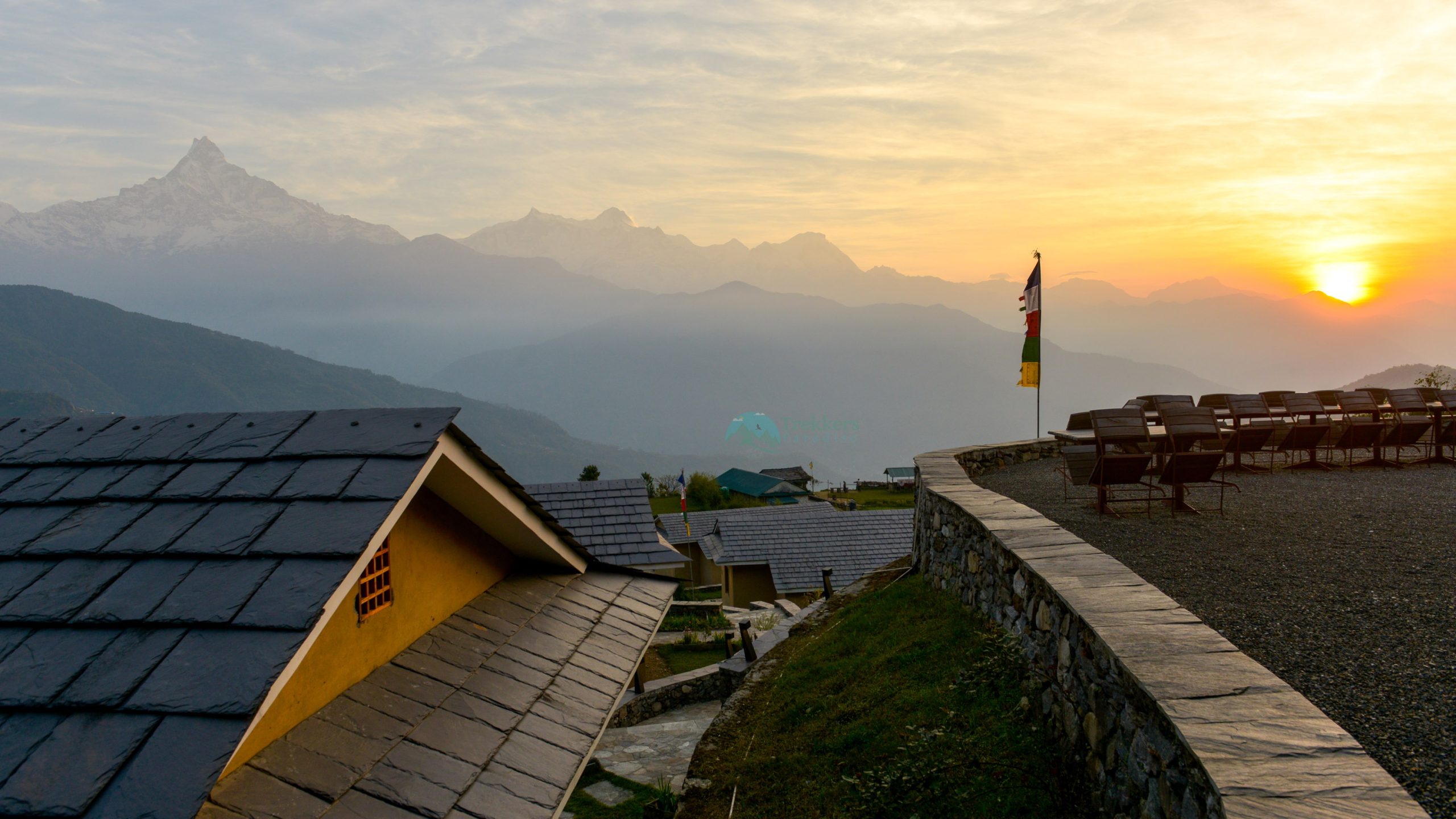
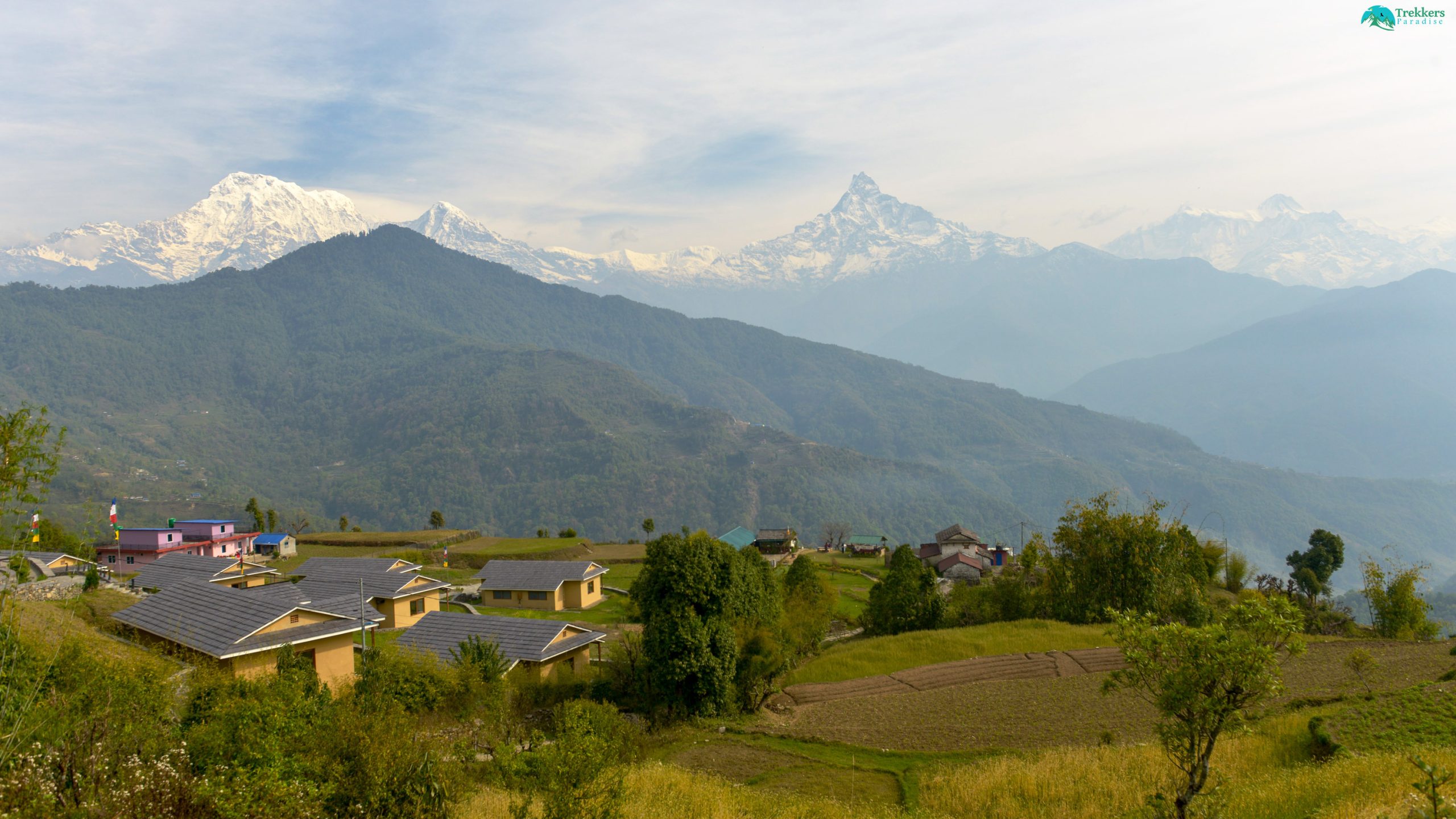
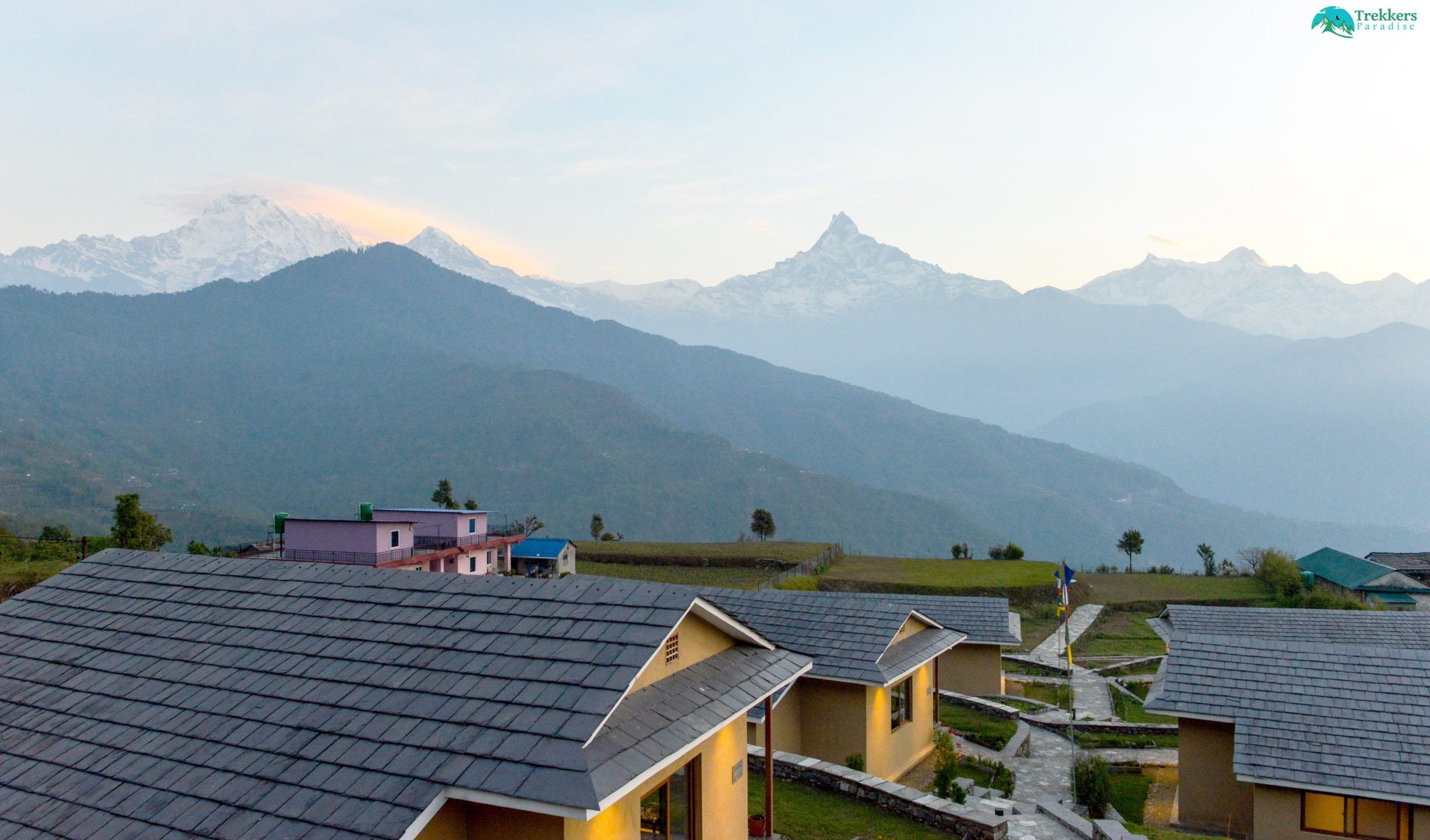
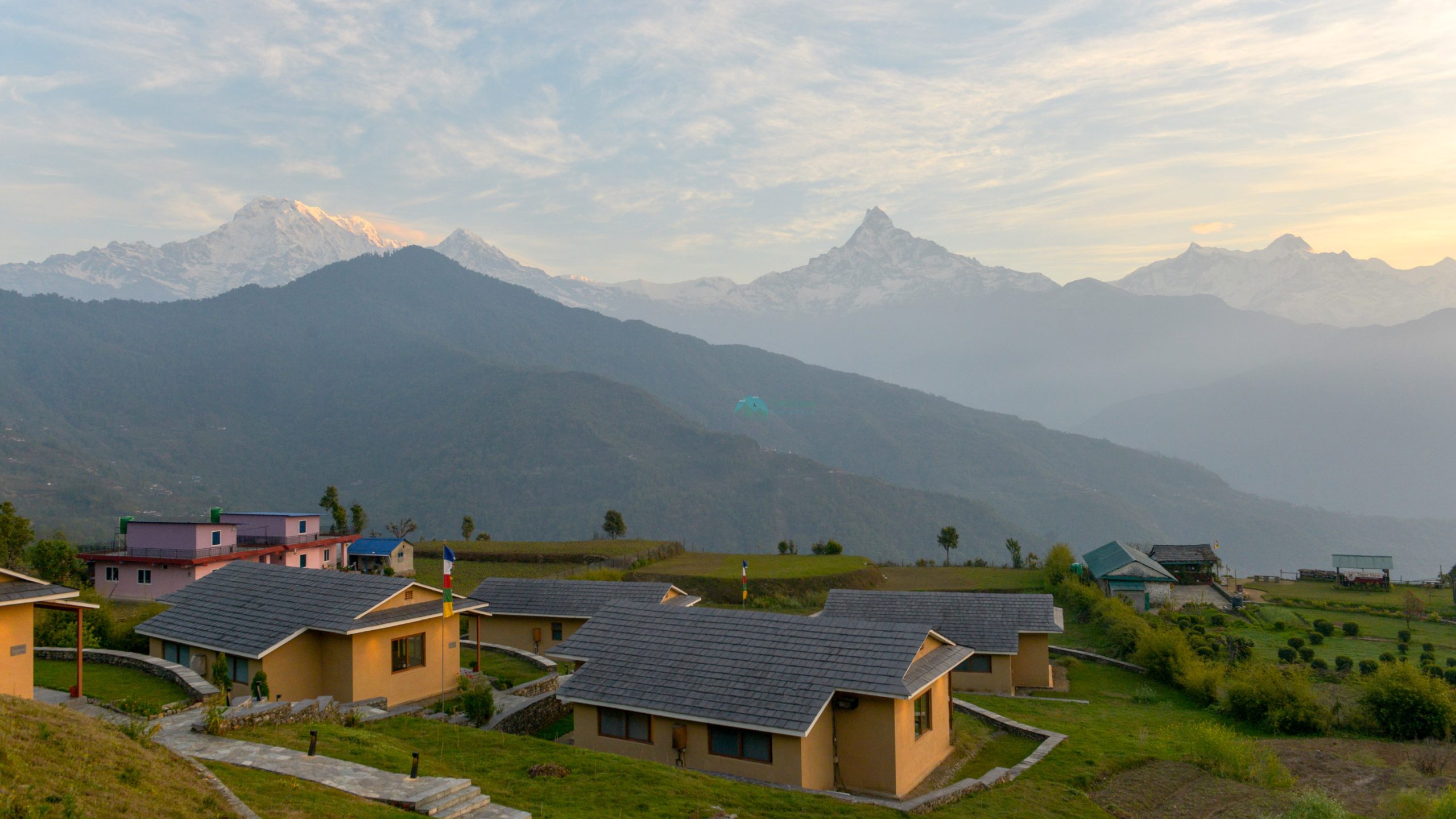
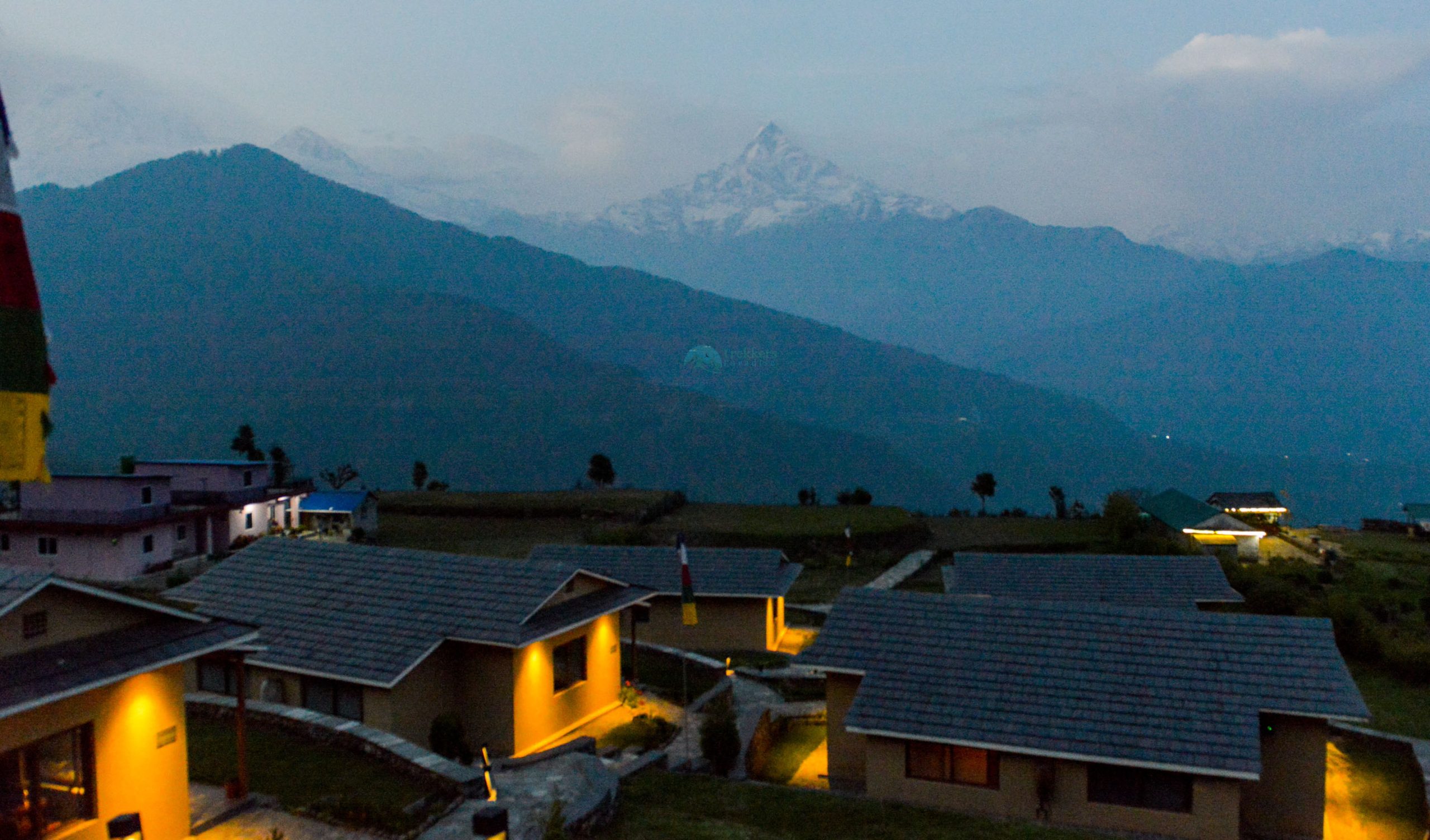
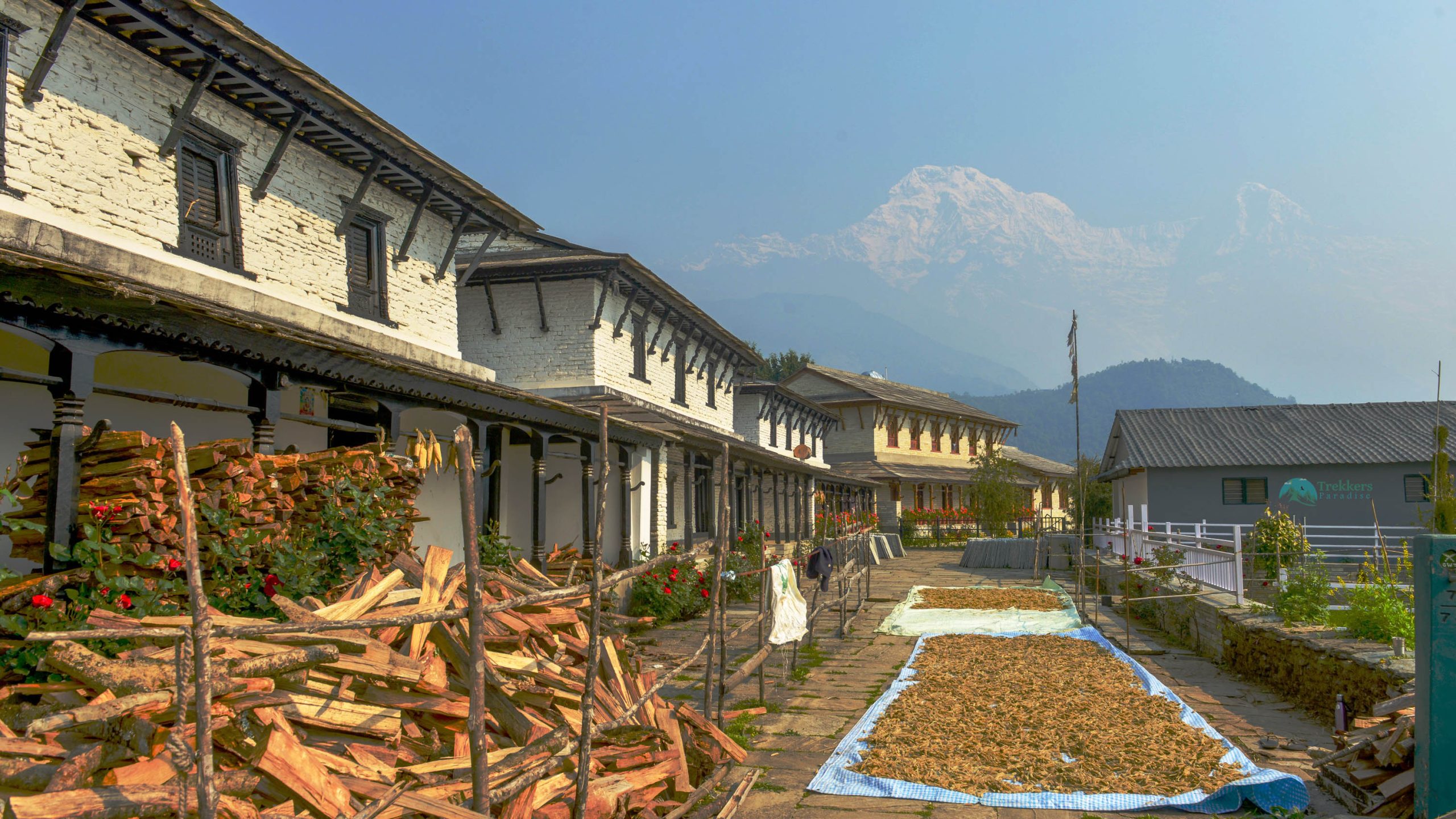
- Spectacular views of Annapurna South, Hiunchuli, and Machhapuchhre
- Explore traditional Gurung villages
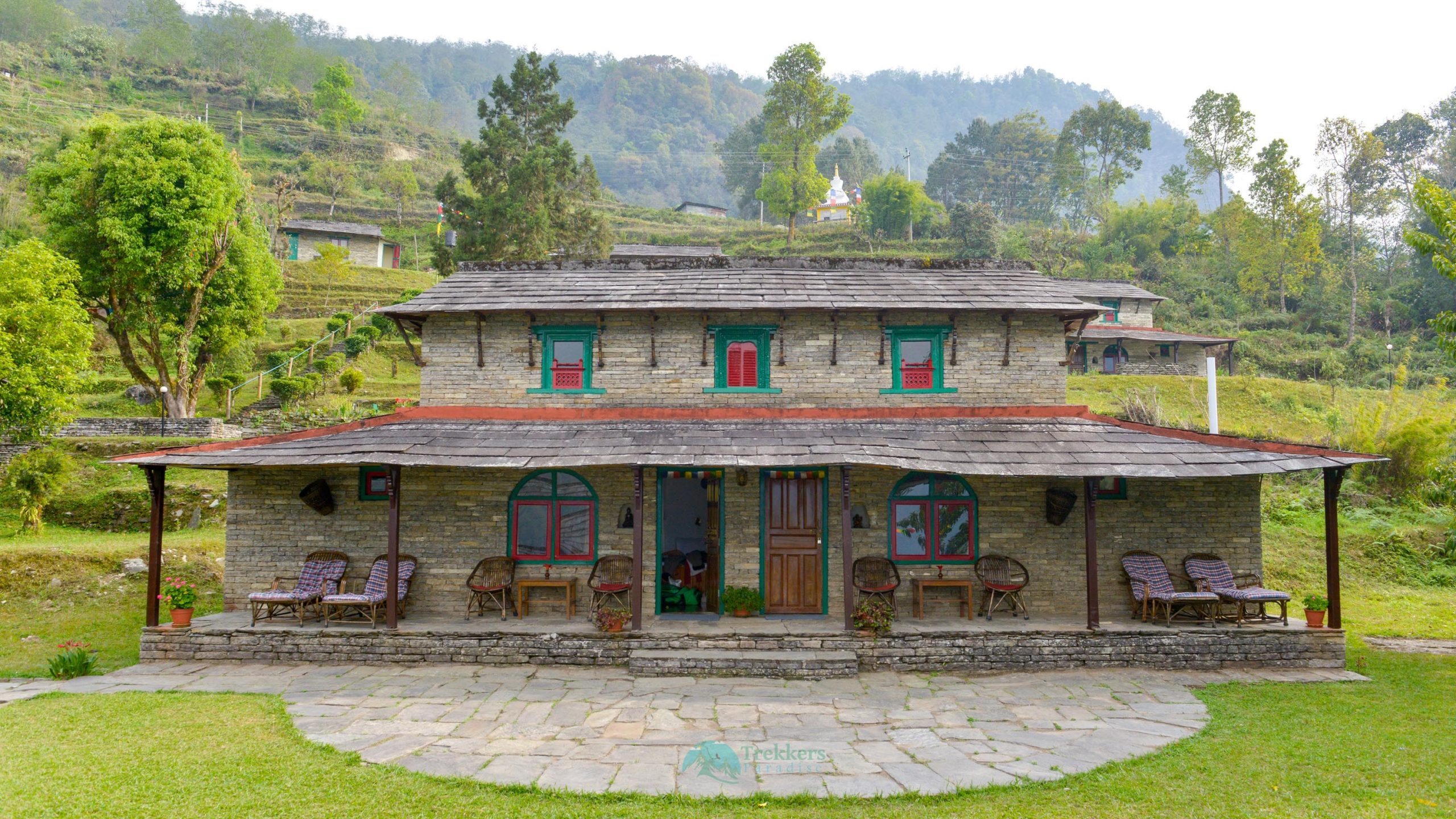
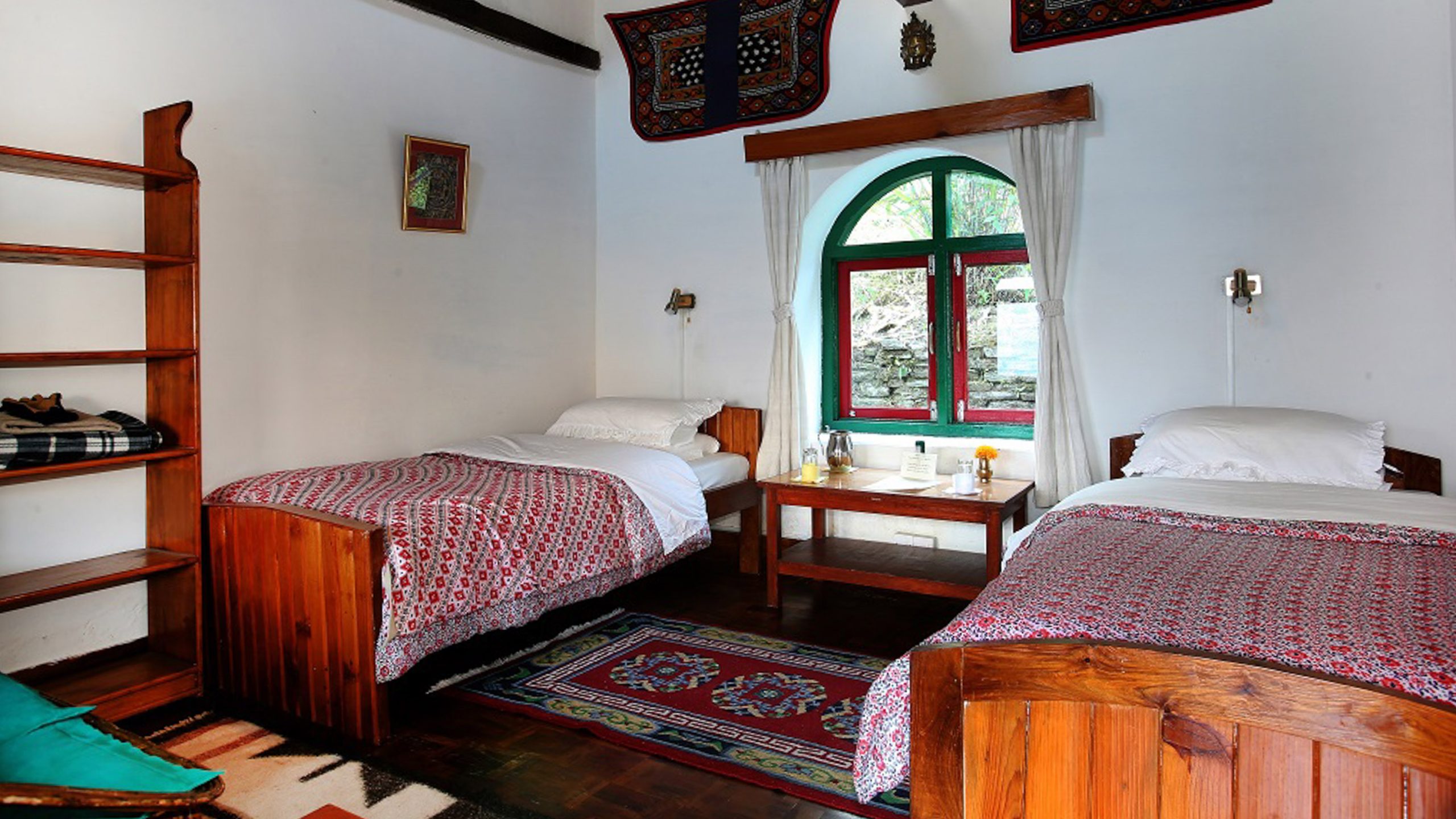
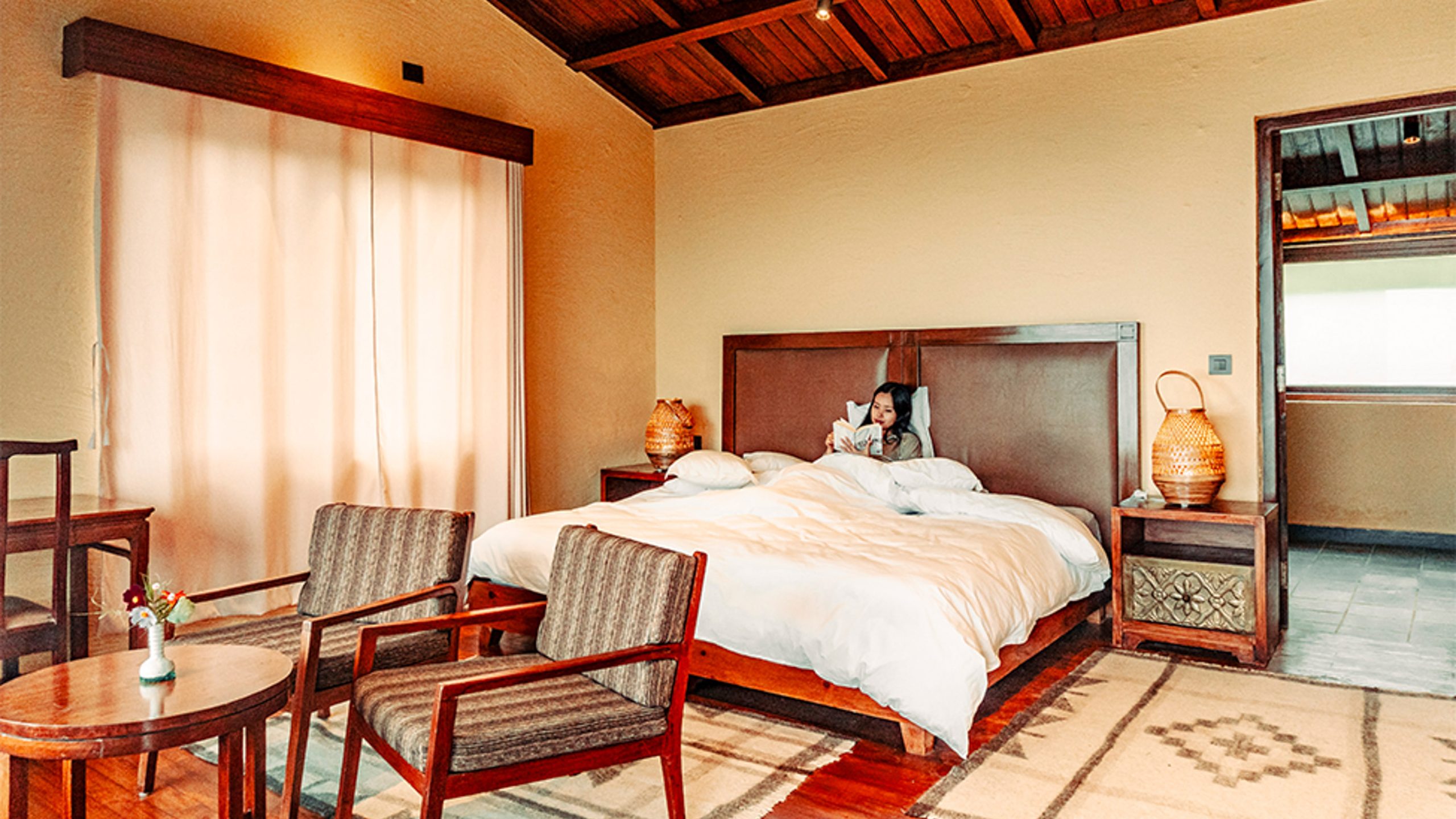
- Comfortable accommodation with private rooms and modern amenities
- Scenic trails through forests and terraced farmland
- Experience the beautiful Modi Khola Valley
- Sunrise and sunset over the Annapurna Himalayas
- Excellent opportunity for Himalayan photography
- Short trek starting and ending in Pokhara
- Ideal for couples, families, photographers and first-time trekkers
- No extreme altitude or high mountain passes
- Private trekking experience with an experienced local guide
Introduction
The Lower Annapurna Luxury Trek is an exclusive luxury lodge trek in Nepal for travelers seeking Himalayan scenery without the challenges of high-altitude trekking. It is one of the best short luxury treks in Nepal, with comfortable mountain lodges of Nepal, private guiding, and excellent food. You can enjoy breathtaking views of Annapurna South, Hiunchuli, and Machhapuchhre throughout the journey.
Starting and ending in Pokhara, this carefully crafted journey takes you through the beautiful foothills of the Annapurna region. Along the way, traditional villages, terraced farmland, rhododendron forests, and dramatic Himalayan landscapes come together to create an unforgettable trekking experience.
Unlike high-altitude adventures such as the Annapurna Circuit or Annapurna Base Camp trek, the Lower Annapurna Luxury Trek stays at relatively moderate elevations. As a result, the journey focuses more on scenery, culture, comfort, and slow-paced exploration rather than demanding high-altitude trekking.
Furthermore, the journey includes comfortable stays in the mountain lodges. Mountain Lodges of Nepal operates a network of comfort lodges in the Annapurna region. It includes properties in Birethanti, Ghandruk, Majhgaon, and Dhampus.
Itinerary
Cost Includes
- All necessary airport arrivals and departures as per the itinerary.
- 2 Nights’ hotel accommodation in Kathmandu on a twin-sharing basis on the BB plan.
- 1 night’s hotel accommodation in Pokhara on a twin-sharing basis on the BB plan.
- Flight/ ground transport from Kathmandu – Pokhara- Kathmandu for clients and guides.
- Transportation from Pokhara – Nayapul – Pokhara ground transportation
- 3 meals a day during the trekking (Breakfast, Lunch & Dinner) as mentioned in the itinerary
- Accommodation during the trekking in guesthouses.
- Professional government license holder English speaking trekking guide and his salary.
- The required number of porters to carry the luggage during the trek (We assign one porter for every two guests)
- Annapurna Conservation Area Permit (ACAP)
- Trekking Permit (TIMS)
- A comprehensive medical kit.
- All government and local taxes.
- Insurance for Nepali staff.
Cost Excludes
- International airfare to/ from Nepal.
- Nepal Entry Visa Fees for multiple Entries on arrival at Tribhuvan International Airport (15 days – $ 25- 30, 30 days- $ 40- 50, and 90 days- $100-110)
- Lunch and dinner in Kathmandu
- Insurance covers: medical, emergency evacuation, loss, etc.
- Personal expenses (shopping, snacks, bottled water, hot and cold drinks, hot shower, Alcohol, Wi-Fi, telephone call, battery recharge fee), extra porters, etc
- Hot shower during the trekking.
- Extra night accommodation in Kathmandu because of early arrival, late departure, and early return from the mountain (for any reason) compared to the scheduled itinerary.
- Additional costs or delays caused by factors outside management’s control, for example, landslides, weather conditions, itinerary modification due to safety concerns, illness, change of government policies, strikes, etc.
- Tips and gratitude provided to staff.
Train Yourself
Well-structured training for trekking in Nepal
This is a solid two-month preparation plan for your Trekking in Nepal. It’s well-structured with progressive intensity, focusing on cardiovascular fitness and leg strength, which are crucial for high-altitude.
Recommendations and Refinements for Your Training Program
Here are some suggestions to further enhance your preparation, especially considering the demands of high-altitude trekking
- Integrate Strength Training (Weeks 1-8): While walking and climbing are great for endurance, adding specific strength exercises will significantly benefit your knees, ankles, and core, all of which are vital for stability on uneven terrain and carrying gear.
- Bodyweight Exercises: Incorporate squats, lunges (forward, backward, and lateral), step-ups (using a sturdy chair or bench), calf raises, and planks. Aim for 2-3 sets of 10-15 repetitions for each exercise, 2-3 times a week on non-walking days.
- Focus on Eccentric Strength: Downhill walking can be tough on the knees. Exercises like slow, controlled squats and lunges help build eccentric strength, which is the ability to resist gravity.
- Simulate Pack Weight (Weeks 4-8): You’ve included hiking with a small backpack from Week 5, which is excellent.
- Increase Load Progressively: In Weeks 6-8, gradually increase the weight in your backpack during your hikes. Aim for a weight that simulates what you’ll carry daily during the trek (e.g., 5-10 kg, depending on your gear). This will prepare your body for carrying essential equipment, water, and camera gear.
- Uneven Terrain: If possible, try to hike on trails with varied terrain – rocky paths, ascents, and descents – to mimic the conditions you’ll encounter in the Himalayas.
- Altitude Acclimatization (Mental & Physical): While physical training won’t prevent altitude sickness, being aerobically fit can help your body adapt more efficiently.
- Focus on Breathing: Practice deep diaphragmatic breathing during your walks and hikes. This can help improve lung capacity and efficiency, which is beneficial at higher altitudes.
- Listen to Your Body: Emphasize that once in the Himalayas, acclimatization is paramount. No amount of training can replace slow ascent and proper hydration.
- Flexibility and Mobility (Throughout): Stretching and mobility exercises are often overlooked but are critical for preventing injuries and maintaining a full range of motion.
- Daily Stretching: Dedicate 10-15 minutes daily to stretching major muscle groups, especially hamstrings, quads, calves, and hips.
- Foam Rolling: If accessible, foam rolling can help release muscle tightness and improve recovery.
- Rest and Recovery:
- Prioritize Sleep: Adequate sleep is crucial for muscle repair and overall well-being.
- Active Recovery: Light walks or gentle stretching on rest days can aid recovery without overstressing your body.
Program Outline with Enhancements:
Week-01:
- Walk: 20-30 minutes, 4 times/week.
- Strength: Introduce basic bodyweight exercises (squats, lunges, step-ups, calf raises, planks) 2-3 times/week. 2 sets of 5-6 reps.
Week-02:
- Walk: 30-40 minutes, 4 times/week.
- Stairs: Climb 2 floors, 4-5 times (4 times/week).
- Strength: Continue bodyweight exercises, increase to 2 sets.
- Optional: Swimming 1 hour/week.
Week-03:
- Walk: 40-50 minutes, 4-5 times/week.
- Stairs: Climb 5 stories, 4 times (4-5 times/week).
- Strength: Continue bodyweight exercises, focus on form.
- Optional: Cycling/Swimming a few times/week.
Week-04:
- Fast Walking/Jogging: 1 hour every day.
- Hike: 2-3 hours with light pack (e.g., empty backpack, water, camera ) on small hills (once/week).
- Strength: Increase reps/sets slightly.
- Optional: Cycling/Swimming also helps.
Week-05:
- Fast Walking/Jogging: 1 hour, 5-6 times/week.
- Hiking: 2-3 hours with a small backpack (2L water + food), 1-2 times/week. Focus on varied terrain if possible.
- Stairs: Avoid the elevator; climb the staircase to the office daily.
- Strength: Continue, consider adding some weight to squats/lunges if comfortable (e.g., holding a water bottle).
Week-06
- Endurance: Continue fast walking/jogging 1.5-2 hours, 4-5 times/week.
- Stairs: Continue climbing 10-story buildings 3-4 times, 2-3 times/week; aim for speed.
- Hiking: 3-4 hour hikes on varied terrain (hills/trails) with a backpack carrying increasing weight (gradually work up to 2-3 kg), 1-2 times/week.
- Strength: Maintain 2-3 strength sessions/week, focusing on stability and endurance.
- Recovery: Emphasize stretching and adequate rest.
Week-07
- Endurance: Continue fast walking/jogging 1.5-2 hours, 4-5 times/week.
- Stairs: Continue climbing 10-story buildings 3-4 times, 2-3 times/week; aim for speed.
- Hiking: 3-4 hour hikes on varied terrain (hills/trails) with a backpack carrying increasing weight (gradually work up to 3-4 kg), 1-2 times/week.
- Strength: Maintain 2-3 strength sessions/week, focusing on stability and endurance.
- Recovery: Emphasize stretching and adequate rest.
Week-08
- Endurance: Continue fast walking/jogging 1.5-2 hours, 4-5 times/week.
- Stairs: Continue climbing 10-story buildings 3-4 times, 2-3 times/week; aim for speed.
- Hiking: 3-4 hour hikes on varied terrain (hills/trails) with a backpack carrying increasing weight (gradually work up to 4-5 kg), 1-2 times/week.
- Strength: Maintain 2-3 strength sessions/week, focusing on stability and endurance.
- Recovery: Emphasize stretching and adequate rest.
Final Thoughts Before Your Trip
By the end of eight weeks, you’ll have a strong cardiovascular system, robust legs, and improved overall functional strength. This comprehensive preparation will significantly enhance your comfort, safety, and enjoyment while trekking in the Himalayas.
Equipments


Safety Precautions for Lower Annapurna Luxury Trek
Aside from geographical protection, Trekkers Paradise has taken safety in following measures to make travel as safe as possible making the most of it without any worry!
- Our guides have received extensive wilderness first-aid training.
- Trek leaders and guides have years of trekking experience and can help you if there is any kind of uneasiness, and assure that happiness & satisfaction are guaranteed.
- Encouragement and inspiration can be a regular occurrence.
- Food and accommodation in the mountains would be rechecked for additional hygiene.
The meals during the trek:
Our trek takes us to high altitudes near the world’s highest point, which means your body will need enough starch, protein, and nutrition, as food is the body’s fuel for hiking on such massive Himalayan trails.
All the meals, including breakfast, lunch, and dinner, are served during your stay in Kathmandu and the trekking journey. Usually, breakfast and dinner are served at the same hotel where we stay overnight, and lunch is served en route to our destination during the trek.
The services are basic, with some of the popular Western, Asian, or Nepalese menus being the most popular and consumed. The most popular and common menu items include the Dal-Bhat set, which consists of rice, lentils, and vegetables, as well as meat, rice, and noodle items, spaghetti, pasta, momo(dumplings), Tibetan bread, chapatti, local tsampa porridge, potatoes, sandwiches, macaroni dishes, pizza, Sherpa stew, steaks, vegetable curry, and so forth. The Dessert Items (Rice Pudding, Apple pie), hard drinks, steaks, etc. are available on the menu as well during the trek.
However, you cannot compare them with the choices available in large cities. Usually, local agricultural products are used to prepare meals. Other ingredients are purchased from the market if they cannot grow at a particular elevation.
Breakfast and dinner orders are taken in advance to save time; breakfast orders are taken the night before, and dinner orders are taken as soon as you arrive at the teahouse. Depending on your schedule for the day, your typical day will begin. Breakfast is served in your lodge each morning, after which you leave for the next stop. A guide will notify the next teahouse or lodge of your arrival each day. Around noon, you’ll stop for lunch at any nearby lodge on the way. You will arrive at your destination shortly after lunch. You can unwind or explore the nearby attractions when you arrive. You will dine around 7 to 8 pm.
At high altitudes, we strongly advise drinking hot liquid drinks in addition to fresh vegetable foods and fruit drinks. Drink plenty of water, not all at once but regularly at time intervals.
It is best to avoid smoking cigarettes, consuming alcohol, non-vegetarian foods like meat, caffeine-containing foods, hot chocolate, and dairy and cheese products on high-altitude treks. These things increase the chances of getting altitude sickness and diarrhea.
Accommodation details during the Trek:
8-day Lower Annapurna Luxury trek includes five nights of stays at luxury mountain lodges in Nepal, one night in Pokhara, and two nights in a Kathmandu hotel.
Passport and Visa:
All foreigners except Indian nationals must have a valid visa to enter Nepal. A visa is available on arrival at Tribhuvan International Airport upon entry to Kathmandu, Nepal, and at the Nepal borders with India and Tibet. The visa can be easily extended at the central immigration office. www.immigration.gov.np Visa application requires a passport with at least 6 months until expiration and one passport-size photo.
The current cost of a visa for 15 Days – 30 USD, 30 Days – 50 USD, and 90 Days – 125 (to be paid in cash). Other currencies are also accepted, although rates may differ. Other nationalities should check entry requirements. Visitors are requested to specify the return flight ticket time and intended stay in Nepal.
Visa Extension Fee: Tourist visa extension is done for a minimum of 15 days with USD 45 and USD 3 per day for additional days. In the case of a delay of less than 150 days, an additional USD 5 per day as a late fine.
Tipping:
Tipping is not included in the salaries of your guides, porters, or crew, but it is greatly appreciated. In Nepalese culture, tips are accepted and a lovely way of saying thank you (“Dhanyabada”) for good service. Normally, tips are offered at the end of the trek, and this is best done as a group. Most groups will give the tips on the last day of the trek.
Booking and payment process:
Trekkers Paradise is a government-authorized, registered, licensed, and bonded trekking and touring operator in Nepal. The company registration number is 221608/076/0677. We are members of the Trekking Agency Association of Nepal (TAAN) and the Nepal Mountaineering Association (NMA). Therefore, book the Trekkers Paradise trip with confidence, as we are reliable.10 percent of the payment is due in advance, and other necessary documentation, like a passport copy, passport-size photos, travel insurance policy, and arrival and departure flight details, can be provided later but must be submitted within two weeks’ period from the booking date. Payment is to be made by bank transfer western union. The remaining trip cost can be paid either in cash or by bank transfer when you arrive in Nepal. Furthermore, we have sent the necessary payment details, as per your convenience, by mail.
Safe Drinking Water
The availability of drinking water is not an issue. Bottled mineral water is available in most places for purchase, but there is no provision to dispose of plastic bottles. We encourage guests to do what they can to protect the environment. We do not recommend purchasing single-use plastic bottles. You can buy or bring your own Nalgene bottles on the trek which makes the trail free from bottles and rubbish.
Filling your water bottles in tea houses is another option for getting drinking water. Several guesthouses have the Euro-guard filters water. Boiled filter water is also available in tea houses that are completely safe to drink but may be inexpensive for the duration of the trek.
River water is generally full of glaciers and sand and may be contaminated with animal urine and toilet run-off, so do not drink it. The tap water in the lodges is piped from high up, away from rivers and clean glaciers, so it is better, but it still must be treated.
Use iodine drops (3 per liter) locally known as Lugols solution, available at Thamel supermarkets in Kathmandu. The chlorine-based tablets are another choice, but they do transmit a taste to the water. Alternatively, you could purchase a Steripen, which uses UV to kill the bacteria but is a bit fragile to carry during the trek.
The best option is the water purification tablet Aquaprove, which uses cutting-edge technology. Most importantly, it works against all pathogens in impure water. It’s light, simple to use, has no taste, and is all-natural.
Waste Management during the trek:
Leave No Traces, Only the Footprints! Pack out your own waste. We practice responsible eco-tourism and organize eco-friendly trips to support sustainable tourism.
The trekking trail in Nepal has suffered significant damage as a result of not having a strong policy of waste management. Act and travel responsibly. We prefer that all of our clients bring their trash and keep them in a container or bag, and dispose of it properly at a specific spot or dustbin.
How to avoid acute mountain sickness?
Acute Mountain Sickness (AMS) is the most deadly risk of trekking. Anyone can get a victim of this sickness when their body is exposed to a higher elevation in a short period of time and the body is unable to adapt to the changing atmospheric pressures. As you ascend higher, the oxygen and air pressure decrease. Our bodies are capable of handling the change, but they require time to gradually adapt. If it is not treated in time, it can be severe and result in death. You can take a few preventative measures to avoid it.
- Not to climb too high too fast.
- Climb slowly and attain the height gradually.
- Take it easy and climb at your own comfortable pace.
- Reduce your walking hours as you reach 2000 meters and walk slowly.
- Drink plenty of water.
- Get plenty of rest. If you feel like your body needs more rest, get it.
- Avoid drinking alcohol and smoking.
- Meditation and warm-up exercise each day before starting the trek.
- Allow an acclimatization day for every 1000m of elevation gain.
There are two more serious but less common severe forms of altitude sickness. Both have the potential to be fatal. You must descend immediately to receive medical care.
High-altitude Pulmonary Edema (HAPE) causes the lungs to swell with excess fluid, which makes breathing difficult even when at rest. You experience extreme exhaustion, weakness, and perhaps a sense of suffocation. A dry cough, nose breathing, shortness of breath, fever, chest tightness, rapid heart rates, congestion, swelling, and fainting are the symptoms of HAPE. If HAPE is not promptly treated by lowering the altitude or using oxygen, it can be fatal.
High-altitude Cerebral Edema (HACE) is characterized by an accumulation of fluid on the brain that results in swelling. Confusion, poor coordination, and possibly violent behavior could occur. Hallucinations, loss of consciousness, fever and fatigue, photophobia, hypertension, coma, shortness of breath, and inability to walk are some more symptoms of HACE. HACE can result in death if it is not treated immediately.
The early signs of altitude sickness can be relieved by immediately descending. However, if you are experiencing severe acute mountain sickness symptoms, you should see a doctor.
The drug acetazolamide can ease heavy breathing and lessen the effects of altitude sickness. You may also be given the steroid Dexamethasone. But you are never recommended to take such drugs as far as possible until the situation is harsh.
Book the dates for your next adventure
All our programs serve as just one example of what is possible. Trekkers’ Paradise, with years of experience in organising tailor-made tours, invites you to contact us to create your personalised dream program.
OR,
Book a Custom DateCustom trip dates are available for a bespoke and private experience, with prices that may vary accordingly.